
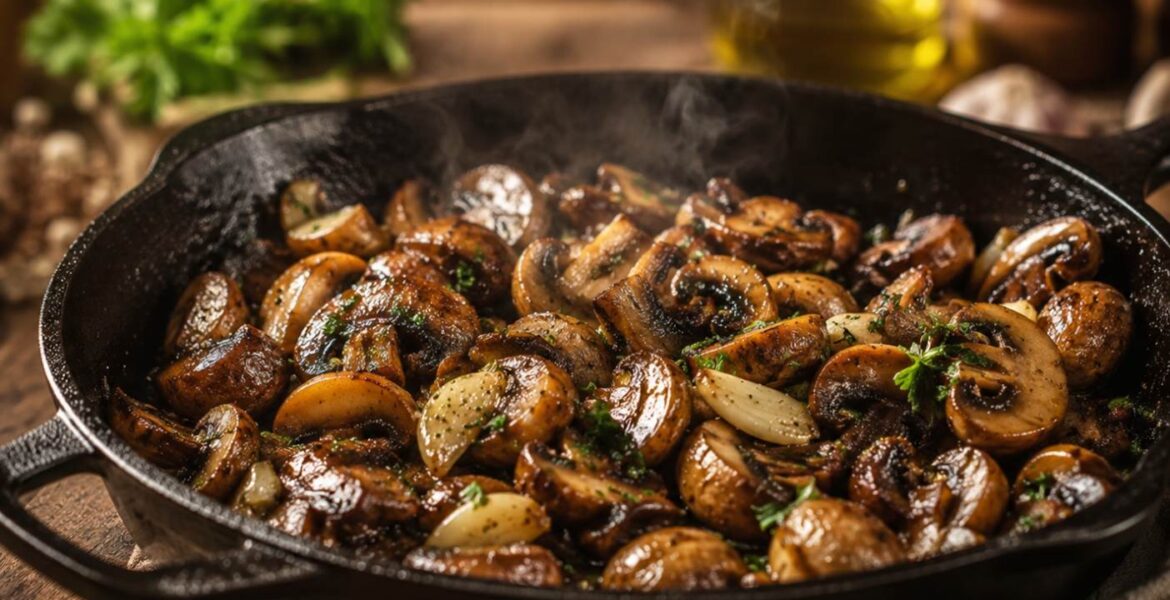
When we think of antioxidant-rich foods, we picture bright berries, leafy greens and vivid vegetables. But the humble mushroom — pale, earthy, easy to overlook — quietly outperforms many of them. In fact, the white button mushroom has a higher ORAC (Oxygen Radical Absorbance Capacity) value than tomato, green pepper, pumpkin, zucchini, carrot and green beans. That’s not marketing spin; it’s published research.
So what makes mushrooms so special? The answer lies in two compounds you’ve probably never heard of: ergothioneine and glutathione.
WHAT ARE ANTIOXIDANTS, AND WHY DO YOU NEED THEM?
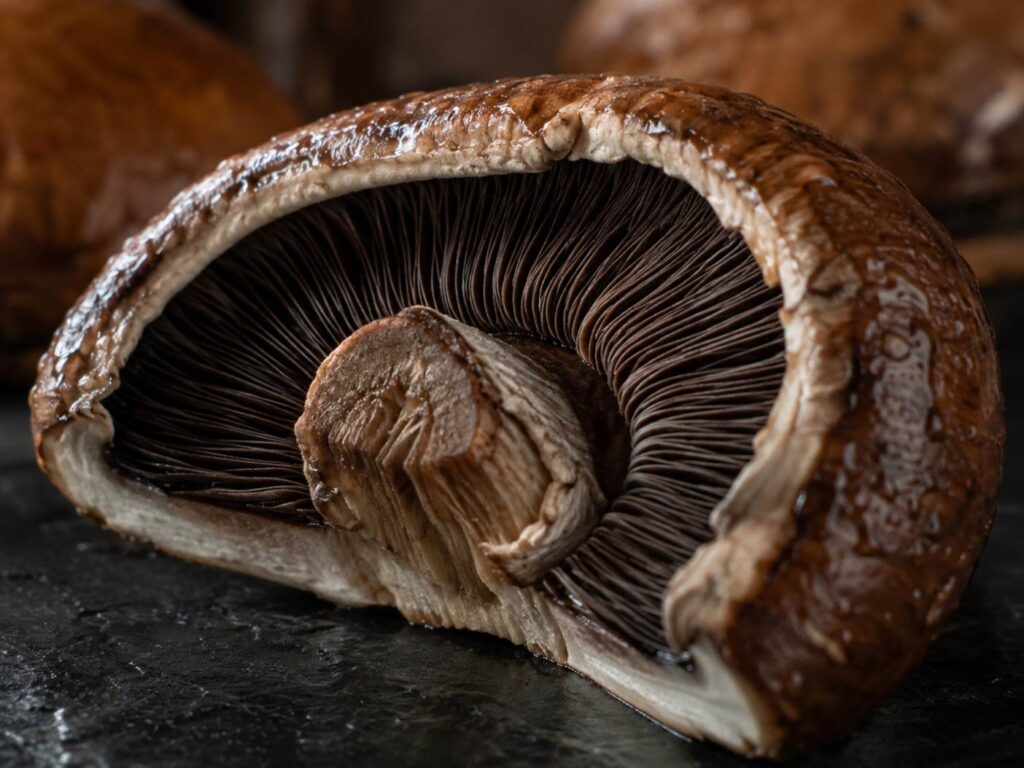
Every day, your body produces free radicals — unstable molecules that damage cells, proteins and DNA in a process called oxidative stress. Over time, this damage is linked to ageing, inflammation and chronic disease. Antioxidants are the body’s defence system: they neutralise free radicals before they cause harm.
Your body makes some antioxidants itself, but it relies on your diet to supply the rest. And here’s the catch: not all antioxidants are created equal.
THE TWO ANTIOXIDANTS MUSHROOMS DO BETTER THAN ANYONE
A landmark 2017 study published in Food Chemistry (Kalaras et al.) measured antioxidant levels across common mushroom varieties and made a striking discovery: mushrooms are the single richest dietary source of two key antioxidants — ergothioneine and glutathione.
Glutathione is often called the body’s “master antioxidant.” It’s produced internally but declines with age, stress and poor diet. The study found glutathione levels in mushrooms varied more than 20-fold across varieties, with some containing higher levels than any other food tested.
Ergothioneine is rarer still. It’s a unique amino acid that humans cannot synthesise — we can only get it from food, and mushrooms are by far the best source. Levels ranged from 0.15 to 7.27 mg per gram of dry weight, and the two antioxidants were strongly correlated (r = 0.62, P < 0.001), meaning mushrooms deliver both in one package.
WHAT MAKES ERGOTHIONEINE SO SPECIAL?
Ergothioneine isn’t just another antioxidant. Research published in Frontiers in Pharmacology (2022) highlights that it accumulates specifically in tissues most vulnerable to oxidative damage including the liver, kidneys and brain. It has a dedicated transport system in the body, which suggests it plays a unique biological role that other antioxidants can’t replicate.
A 2025 review in Molecules (MDPI) went further, describing ergothioneine’s exceptional neuroprotective and anti-inflammatory properties. Beyond directly neutralising free radicals, it suppresses pro-inflammatory cytokines including TNF-α, IL-1β and IL-6 — the signalling molecules behind chronic inflammation.
In plain terms: ergothioneine doesn’t just mop up damage. It helps switch off the inflammatory response that drives so many age-related diseases.
DOES COOKING DESTROY THE BENEFITS?
This is the question every home cook asks. The good news: ergothioneine is remarkably heat-stable. Unlike vitamin C, which degrades quickly, ergothioneine survives cooking well. A 2011 study in Preventive Medicine confirmed that ergothioneine from cooked white button mushrooms (Agaricus bisporus) is bioavailable. Meaning, your body actually absorbs and uses it after eating.
So whether you sauté, roast or grill them, you’re still getting the antioxidant benefit.
WHICH MUSHROOMS ARE BEST?
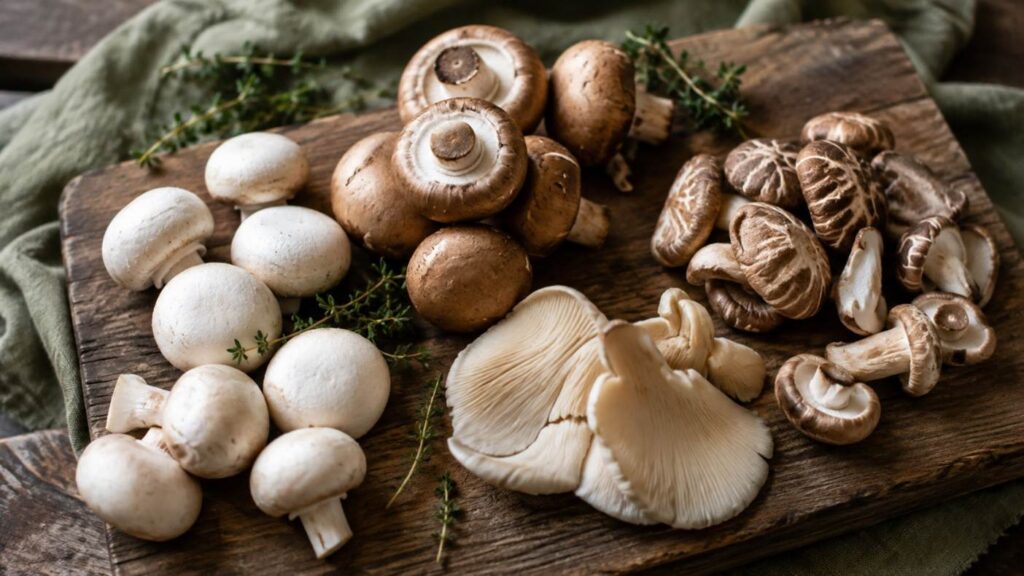
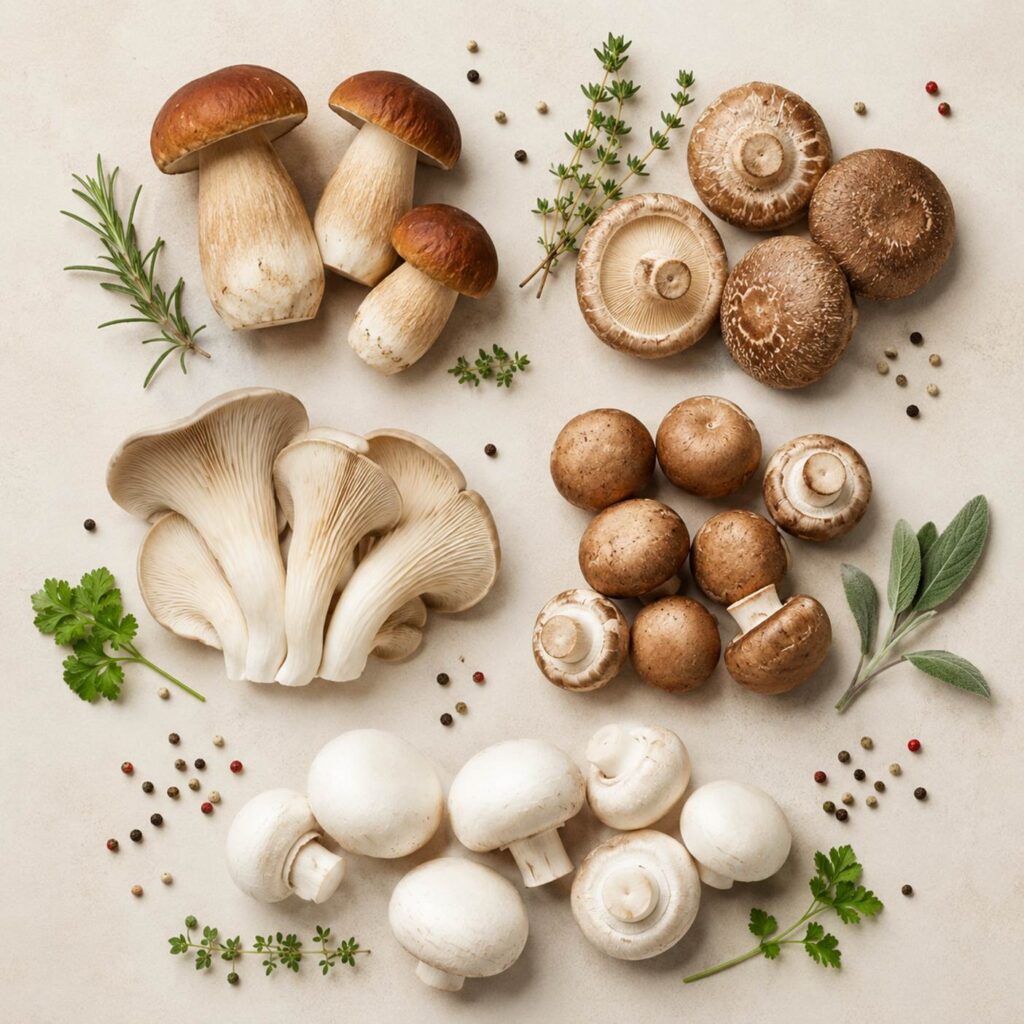
All mushrooms deliver, but some stand out. The 2017 study found that porcini, oyster and shiitake varieties ranked among the highest for ergothioneine and glutathione content. That said, even the humble white button mushroom, the most affordable and widely available, outperforms many vegetables on antioxidant capacity.
The practical takeaway: eat a variety, and eat them regularly. Consistency matters more than chasing the single “best” variety.
HOW TO ADD MORE MUSHROOMS TO YOUR DIET
- Sauté them into scrambled eggs or omelettes at breakfast
- Toss them into stir-fries, pastas and risottos
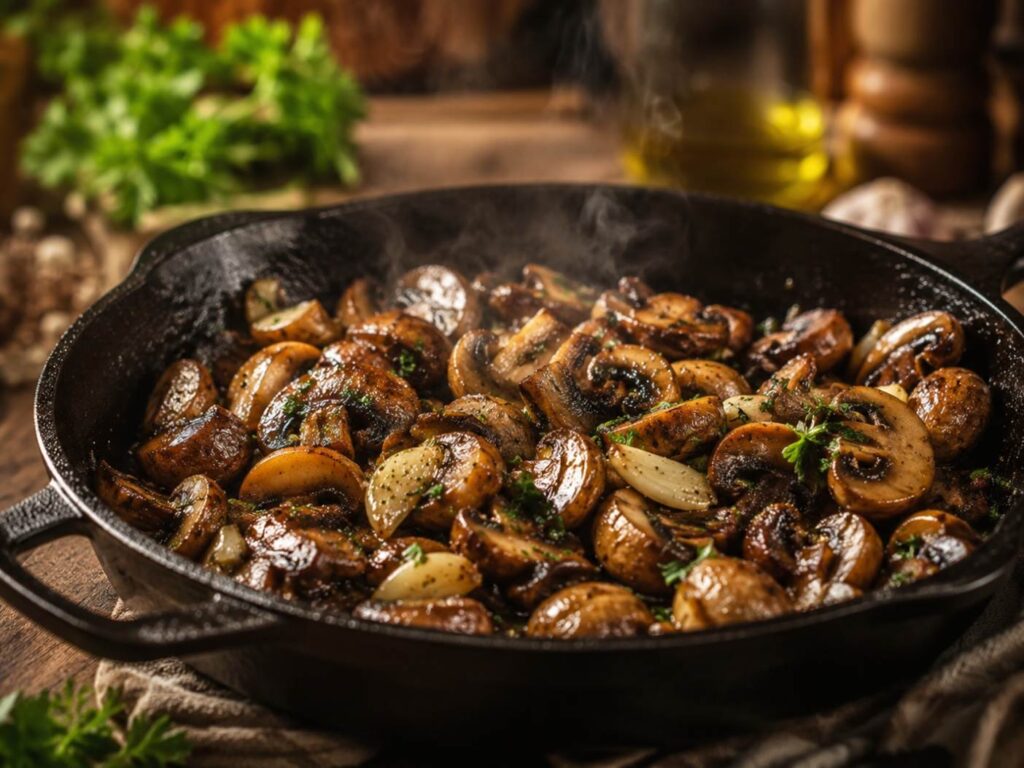
- Roast them whole with olive oil, garlic and herbs
- Blend them into soups and sauces for a savoury, umami depth
- Add sliced mushrooms to salads, burgers and grain bowls
THE BOTTOM LINE
Mushrooms are proof that the most powerful foods aren’t always the most colourful. They deliver two of the most important antioxidants in the human diet — ergothioneine and glutathione — in amounts no other food matches. They’re affordable, versatile, heat-stable and backed by genuine science.
The next time you’re at the market, don’t walk past the mushrooms. Your cells will thank you.
Want more simple, science-backed ways to eat well? Follow The Local Farmer for fresh produce, seasonal recipes and honest nutrition advice delivered straight to your feed.