
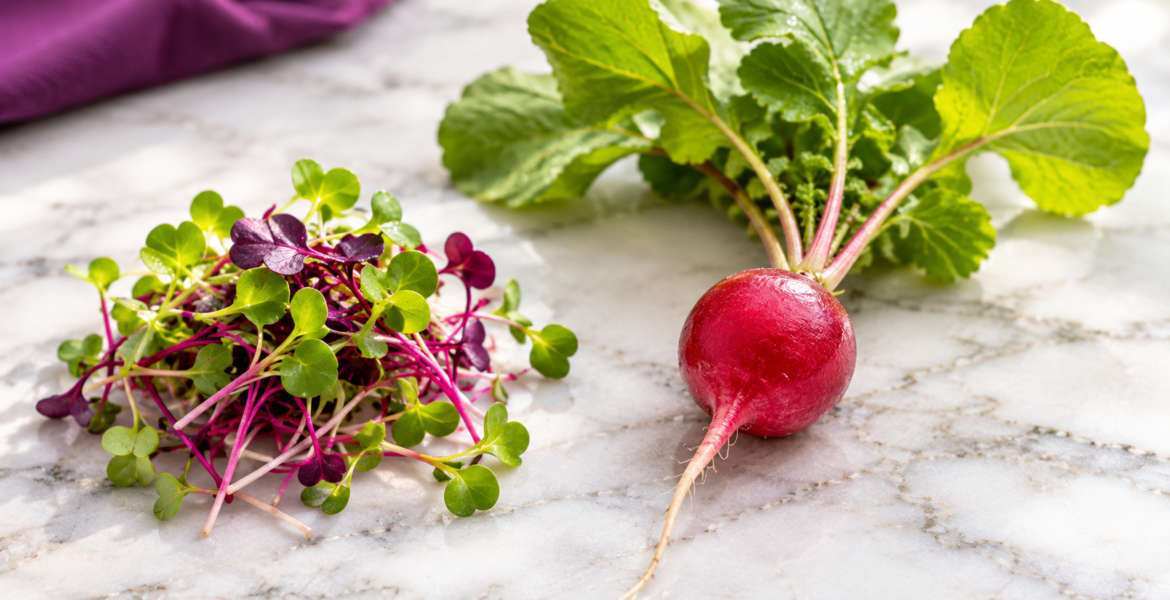
Are microgreens really good for you, or just pretty on a plate? It is the question we hear most. The short answer: the research says they pack a lot of nutrition into a very small leaf.
Here is what the science found, what it means for your body, and how to get the most from every punnet.
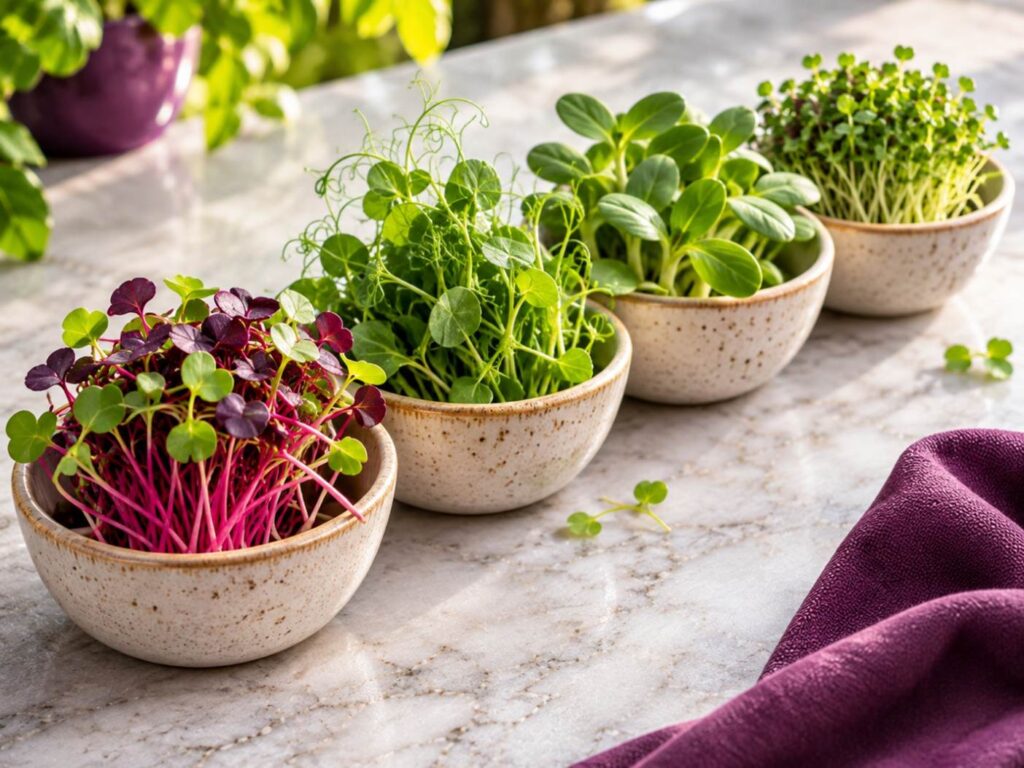
Are microgreens just a garnish?
For years, microgreens were the tiny leaves restaurants placed on top of a dish for colour. Most people pushed them to the side.
That is starting to change. As more people look for simple ways to eat better, microgreens have moved from the edge of the plate to the centre of the conversation, with good reason.
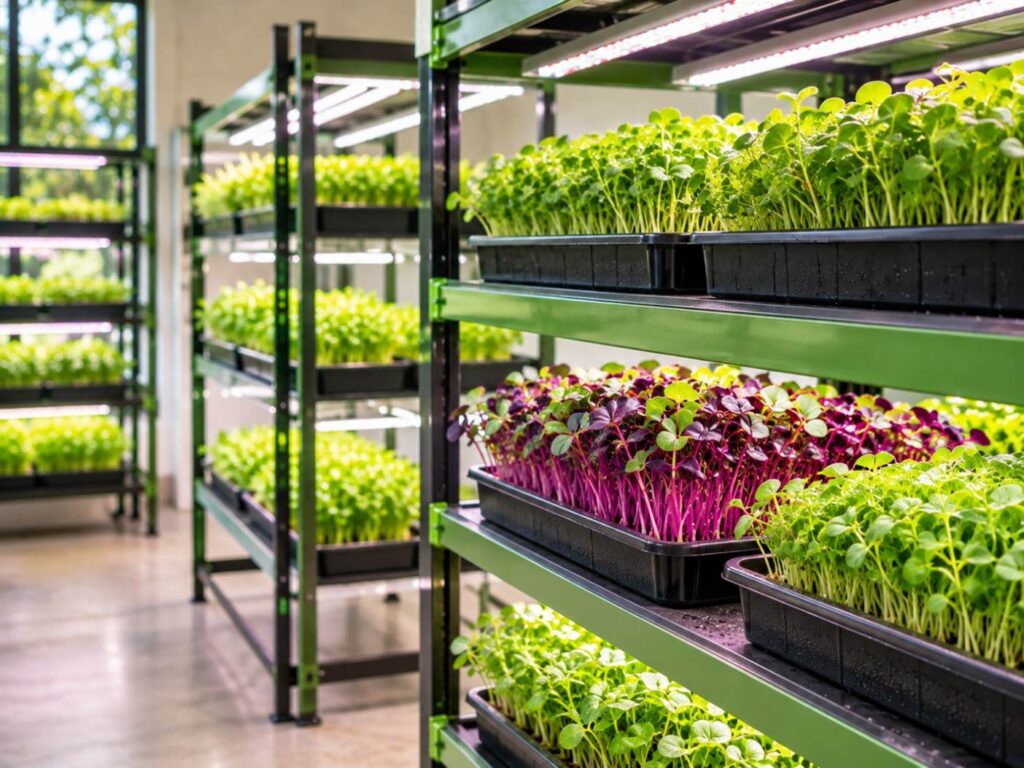
What the research found
In 2012, a team at the US Department of Agriculture published one of the best-known studies on microgreens (Xiao et al., Journal of Agricultural and Food Chemistry). They tested 25 varieties of commercially grown microgreens for key vitamins and carotenoids.
The findings:
- Many microgreens contained higher concentrations of vitamins C, E and K and beta-carotene than the mature leaves of the same plants.
- For some nutrients, levels were up to 40 times higher.
- Red cabbage microgreens were especially high in vitamin C, and green daikon radish microgreens in vitamin E.
The reason is simple. A young plant carries a concentrated store of what it needs to grow, so each small leaf is nutrient-dense.
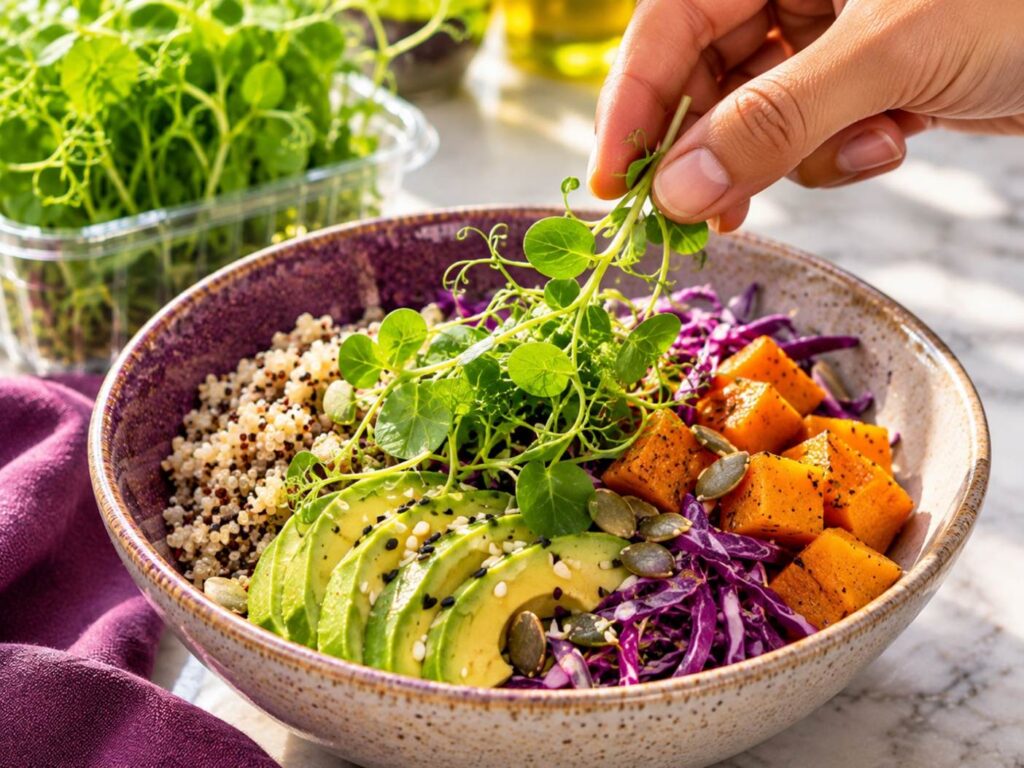
What those nutrients do for you
| Nutrient | What it does |
| Vitamin C | Supports normal immune function; helps protect cells |
| Vitamin K | Supports normal blood clotting and healthy bones |
| Vitamin E | An antioxidant that helps protect cells |
| Beta-carotene | Converted to vitamin A, which supports normal vision and skin |
Microgreens also contain antioxidants and other plant compounds. They are best seen as a boost to a balanced diet, not a replacement for a variety of vegetables.
Meet the Mighty Microgreens
Each variety brings its own flavour and best uses:
- Radish: peppery and bold, with vibrant purple-pink stems. Great on eggs, tacos and sandwiches.
- Pea shoots: sweet and crunchy, like fresh garden peas. Perfect in salads and stir-fries.
- Sunflower: nutty with a satisfying bite. Excellent in wraps and on avo toast.
- Broccoli: mild and fresh. Easy to hide in smoothies, so a good one for fussy eaters.
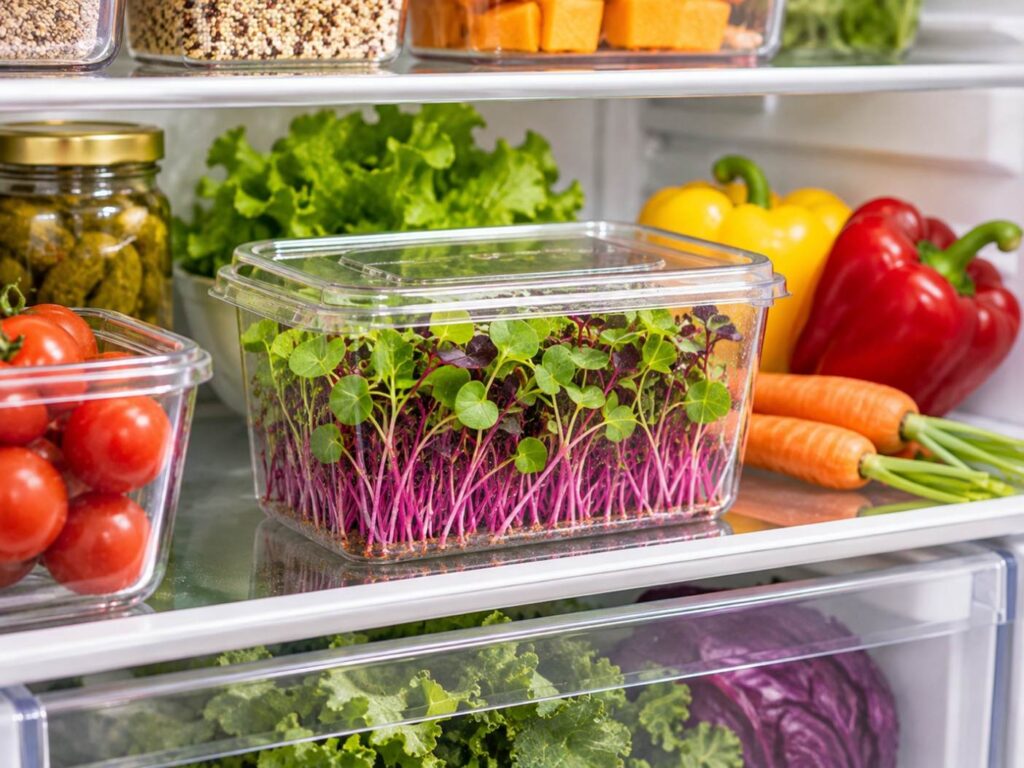
How to store microgreens
- Keep them sealed in their punnet in the fridge.
- Keep them dry; only rinse what you are about to eat.
- Enjoy them within a few days for the best flavour and crunch.
Because ours are harvested to order and delivered within 24 hours, they arrive at their freshest, giving you more days to enjoy them.
Get your greens delivered
Organic Mighty Microgreens, grown without pesticides and delivered across Bedfordview within 24 hours of your order.