
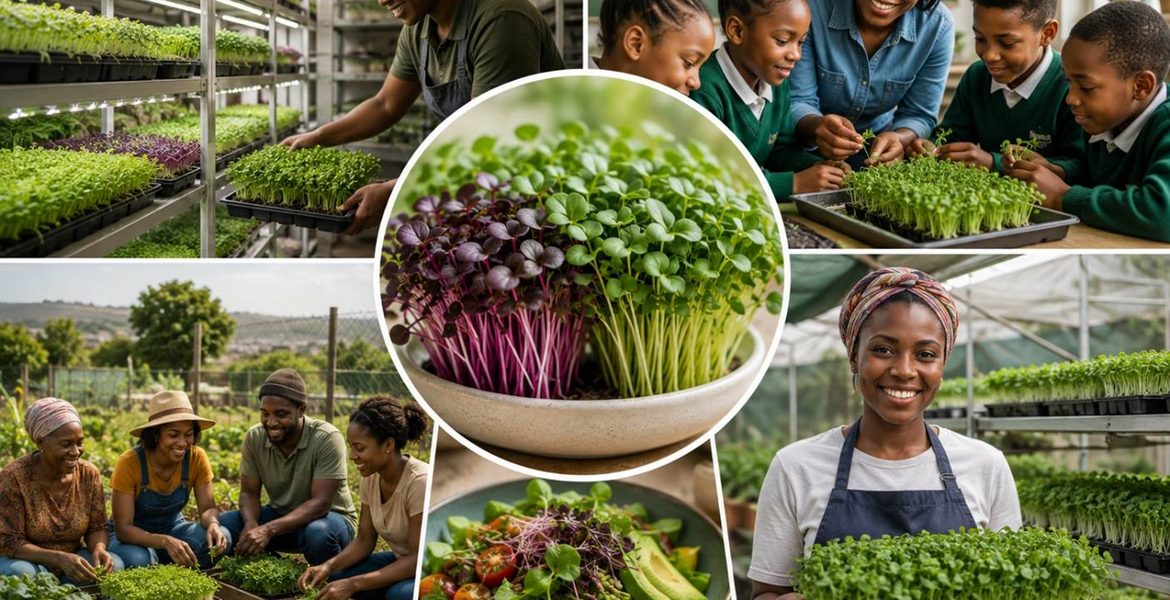
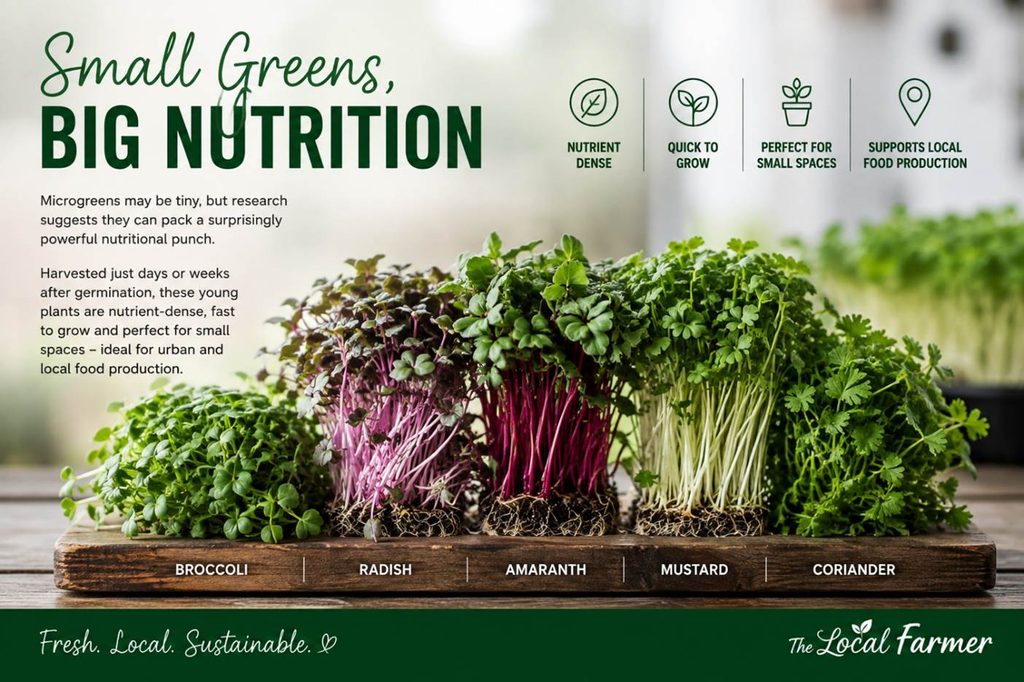
Microgreens may be tiny, but research suggests they can pack a surprisingly powerful nutritional punch.
These young plants—such as broccoli, radish, amaranth, mustard and coriander—are harvested just days or weeks after germination. They are increasingly recognised as nutrient-dense foods that can be grown quickly in small spaces, making them particularly interesting for urban and local food production.
What does the science say?
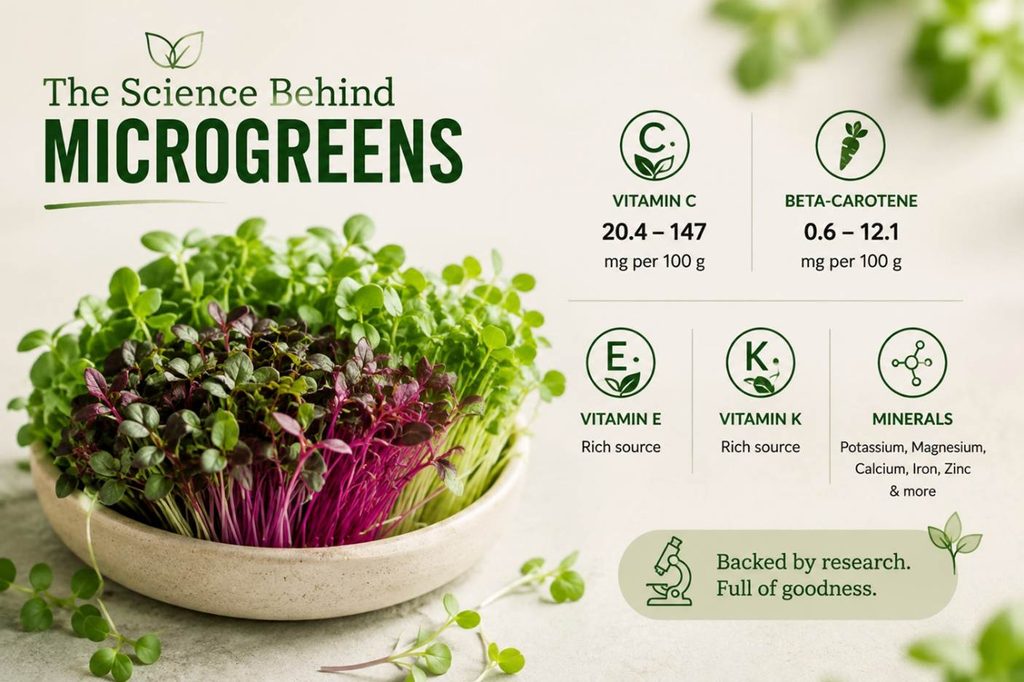
A landmark study published in the Journal of Agricultural and Food Chemistry analysed 25 varieties of microgreens and found substantial levels of vitamins and carotenoids.
Depending on the variety, vitamin C ranged from 20.4 to 147 mg per 100 g, while beta-carotene ranged from 0.6 to 12.1 mg per 100 g. The researchers also found vitamin E, vitamin K and other carotenoids in significant concentrations.
More recent research continues to support their nutritional value. A 2025 study of six microgreens—including broccoli, black radish, beetroot, pea, sunflower and bean—found vitamin C levels ranging from 32.72 to 80.45 mg per 100 g, along with useful amounts of potassium, magnesium, calcium, iron, zinc and other minerals.
So, could these little greens contribute to better health?
Potentially—but we need to be precise about what the evidence shows.
Microgreens and disease: what is the connection?
South Africa continues to face a significant burden of infectious diseases, including tuberculosis (TB), while also dealing with undernutrition and rising rates of chronic diseases.
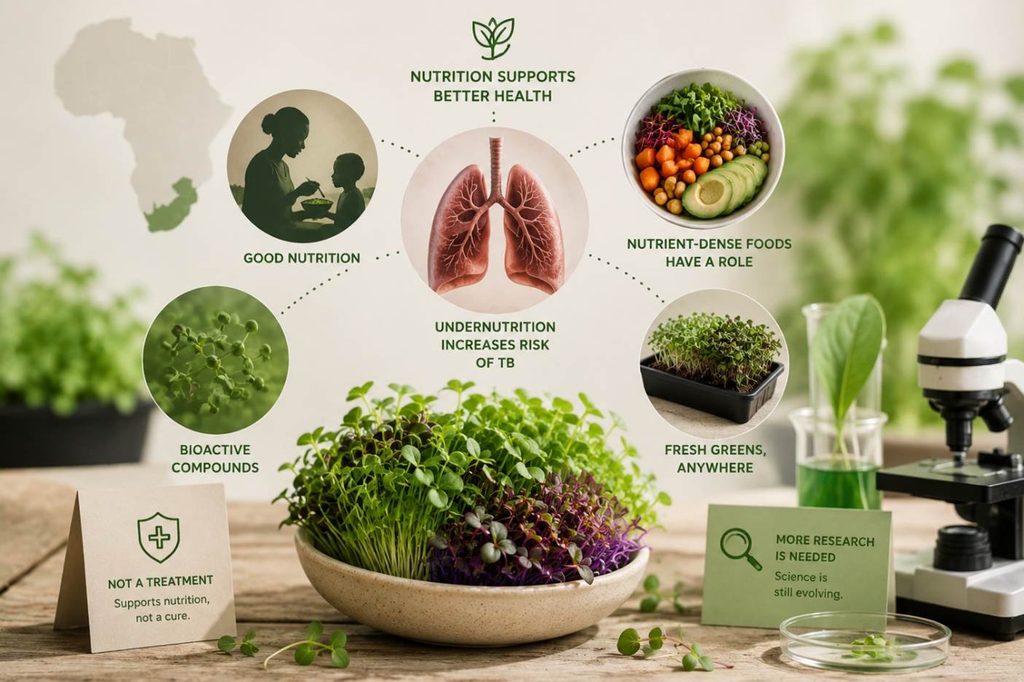
The World Health Organization identifies undernutrition as an important driver of TB globally. Its latest TB guidelines recommend nutritional assessment and appropriate nutritional support for people with TB and their household contacts.
This is where nutrient-dense foods such as microgreens may have a role.
They are not a treatment for TB, HIV, diabetes or other diseases. However, adding nutrient-rich vegetables to the diet can contribute to overall nutritional quality, and microgreens offer a way to produce fresh greens rapidly, even where growing space is limited.
Some varieties also contain bioactive compounds such as phenolics, carotenoids and glucosinolates that are being studied for antioxidant and other biological activities.
But laboratory evidence of antioxidant or antimicrobial activity does not mean that eating microgreens can cure an infection. More human clinical research is needed.
A bigger opportunity: food security
Perhaps the most exciting potential of microgreens for South Africa isn’t that they could become a “miracle food.”
It’s that they can be grown quickly, locally and in relatively small spaces.
That creates opportunities for:
🌱 Urban farming – growing fresh food where traditional agriculture is difficult.
🏫 Schools – teaching children about nutrition, agriculture and food security.
🏘️ Community projects – complementing existing food gardens.
👩🌾 Small businesses – creating new opportunities for local growers.
🥗 Better diets – adding variety and nutrient-rich greens to everyday meals.
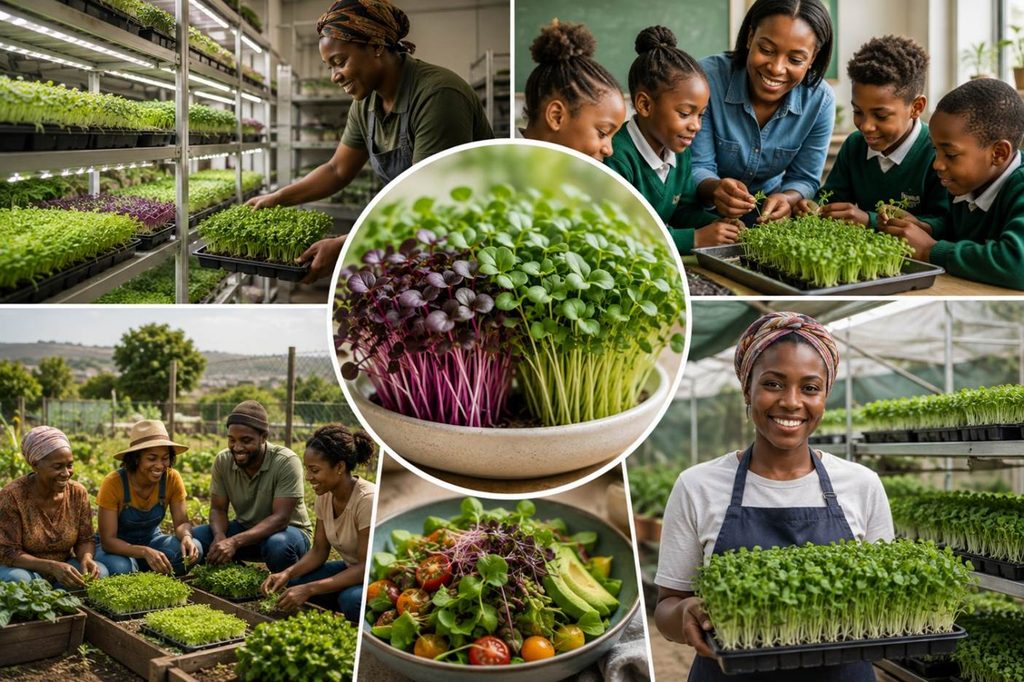
Small plants, bigger possibilities
The science is promising, but we shouldn’t call microgreens a cure or a disease-fighting medicine.
Instead, we can look at them for what they are:
Nutrient-dense, fast-growing crops with potential to contribute to healthier diets and more resilient local food systems.
For South Africa, that’s already a pretty big opportunity for something so small.
Grow small. Eat fresh. Think bigger. 🌱
The Local Farmer promotes microgreens as a nutritious food, not as a replacement for medical treatment. Anyone with a health condition should follow advice from a qualified healthcare professional.