
Have you ever thought about the first people who thought of a fancy way to put food onto plates for better presentation? It has been happening for quite some time!
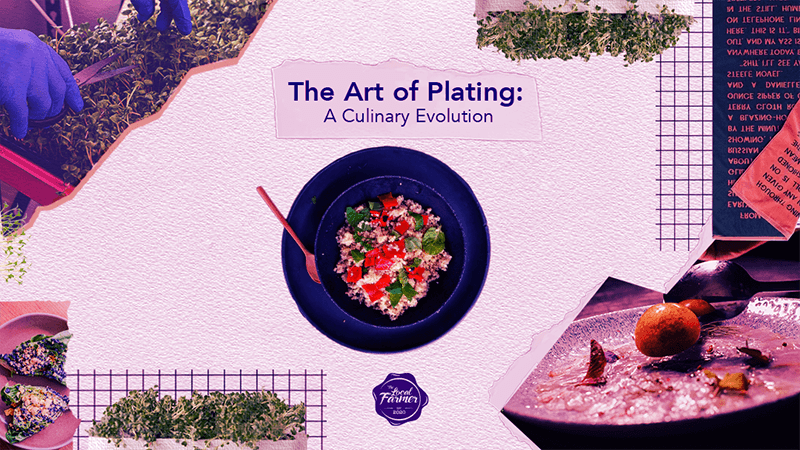
If you enjoy eating in a restaurant or happen to love watching cooking shows, you already know about the art of plating. Plating is the process of arranging and decorating food to enhance its appearance. The plate becomes a presentation of the cuisine, rather than just randomly spooning food into a dish. But where did this practice come from? Let’s look at the evolution of plating!

Believe it or not, plating has been around for a good long time. In Ancient Rome there are records of banquets where considerable effort was put into the presentation of the food. The courses of the meal were served in a ritualistic manner, sometimes accompanied by trumpets! The rarity and cost of the ingredients showed the affluence of the host, and there are writings that say Emperor Claudius added crushed pearls to the wine and flecks of gold to the peas.

In the 1700s, the cornerstones of French gastronomy were laid by creative chefs. In the court of Louis XIV, multi tiered tables were arranged with extravagant structures made of carefully decorated and luxurious food. The Court of Versailles codified service à la française, or traditional French table service back then, and we still see tables set in this manner today!
One of the big influences for plating is Marie-Antoine Carême. Born in 1784 and died in 1833, Marie-Antoine is probably the first celebrity chef. He loved architecture and presented dishes in the shapes of famous monuments, as well as waterfalls and pyramids. Marie-Antoine served meals to famous people like Napoleon Bonaparte. He is also thought to be the inventor of the croquembouche. Le Pâtissier Pittoresque was published in 1815 and it became a standard for grande cuisine for royalty and the nouveau riche.

However, Carême’s work did little for those not belonging to the elite. Two years after Carême’s death, August Escoffier helped change that at the beginning of the Industrial Revolution. Escoffier found a way to get past the difficulties of food being prepared in a separate building from where it was eating. He invented devices that allowed the final touches to be done in the dining room. This meant smaller plates could be served without the food getting cold. The a la carte service was born.

In the 1800s, home cooks started getting access to more of the tools used by chefs. Kitchen gadgets get mass-produced, lowering their prices considerably. Now home cooks have graters and mincers, which changes the appearance of food cooked at home. At this time, the sauce is used to hide defects in the meat and strong smells.

Ever since then, the presentation of food has shifted several times as the economy waxed and waned. Cocktail parties emerge, just before prohibition closes down fancy hotels and restaurants. In their place casual tearooms, diners and cafeterias pop up. Cocktail parties returned in the early 1930s, and with them the resurgence of hors d’oeuvres. Then the Great Depression and war brings an end to fine meals. After the war, soldiers return home with a love of exotic foods, spices, and beverages. We also see the first spreads sold in jars

Plating also shifted big-name chefs made their mark on the craft. Fernand Point introduced seasonal ingredients with a focus on natural flavours, with a big emphasis on hospitality. He was responsible for baby vegetables being used in dishes, something we still see in use! Point’s protege Paul Bocuse kept those elements, aiming for “neat and detailed” food presentation. After them, we had a minimalist movement where presentation became a very strong focus.

From banquets to structural pastries, to sprinkled herbs and dry seasonings, smears of sauce, powdered sugar and tall foods, we have seen plating evolve all the way from 2000 years ago. Who knows what the next few years will hold?
You can also visit our website www.thelocalfarmer.co.za to explore our wide range of product offerings and premium subscription plans.